Source Self Drilling Hexagonal Wood Screw for Furniture, Roofing, and Framing
Compare 30 listings for self drilling hexagonal wood screw options from verified Chinese manufacturers. Buyers can evaluate stainless steel and carbon steel variants with zinc plating, DIN standards, and customizable sizes for construction and woodworking projects; compare the available evidence and request quotations based on your requirements.
Key considerations
Products List




Comprehensive Sourcing Guide
Self Drilling Hexagonal Wood Screw Sourcing Guide
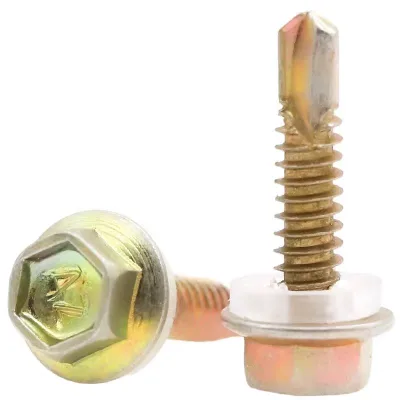
Procuring self-drilling fasteners requires a clear distinction between true wood screws and metal-to-metal fasteners, as the terminology often overlaps in global trade listings. The core keyword suggests a fastener designed to penetrate wood, yet the observed product data heavily features stainless steel and carbon steel variants with hexagonal heads, which are typically used for structural metal connections or decking rather than traditional woodworking. Buyers must carefully evaluate whether the listed "self-drilling" capability is intended for sheet metal applications or if it refers to a specific thread profile suitable for wood. Misinterpreting this distinction can lead to sourcing errors where a high-strength metal screw is purchased for a project requiring a softer, wood-specific fastener with a different thread pitch and tip geometry.
The observed market signals indicate a wide range of materials, including stainless steel, carbon steel, and iron, with surface finishes like zinc plating and plain coatings. This variety suggests that the term "self drilling hexagonal wood screw" may be used loosely by suppliers to describe hex-head screws that can be driven into pre-drilled wood holes or potentially softer materials without a pilot hole. However, the presence of DIN7976 models and standard grades like 4.8 and 6.8 points toward industrial hardware rather than specialized woodworking tools. It is critical for buyers to verify the tip design and thread specification to ensure the fastener matches the intended substrate, as a screw designed for metal penetration may split wood or fail to hold securely in timber applications.
Product Scope and Observed Listing Signals
The current market landscape for these fasteners shows a significant diversity in material composition and head styles, which directly impacts their suitability for various construction and assembly tasks. Listings frequently highlight stainless steel and carbon steel options, with some products explicitly noting iron as a base material. This variation allows buyers to select fasteners based on corrosion resistance requirements, with stainless steel offering superior durability in outdoor or humid environments compared to zinc-plated carbon steel. The observed price range of 0 to 1600 USD likely reflects bulk pricing tiers or the inclusion of specialized custom orders, indicating that cost is highly dependent on volume and material grade rather than a fixed unit price for standard items.
Head styles observed include hexagon, flat, and round configurations, with hexagonal heads being the most prominent due to their compatibility with impact drivers and torque wrenches. The groove type is predominantly cross-recessed, which facilitates easier driving and reduces cam-out compared to slotted designs. Additionally, the presence of customized options and non-customized standard items suggests that buyers can source off-the-shelf products for common applications or request tailored solutions for specific project needs. The packaging details, ranging from carton boxes to pallets, indicate that suppliers are equipped to handle both small-scale procurement and large industrial orders, providing flexibility in logistics and storage requirements for the buyer.
Technical Specifications to Verify
Verifying the technical specifications of self-drilling hexagonal screws is essential to ensure they meet the mechanical and dimensional requirements of the intended application. Buyers should confirm the standard compliance, such as DIN, GB, ANSI, or JIS, as these standards dictate thread pitch, head dimensions, and load-bearing capacities. The observed standards include DIN7976 and general standard classifications, which help in identifying the correct fastener for international projects. It is crucial to match the screw’s grade, such as 4.8 or 6.8 for carbon steel, with the structural demands of the assembly, ensuring that the tensile strength and hardness are sufficient to prevent failure under load.
Length and diameter specifications must be precisely defined, as the observed data mentions sizes ranging from M3 to M12 and specific lengths like 19mm. Buyers need to ensure that the screw length is adequate to penetrate the material thickness while providing sufficient thread engagement for a secure hold. The thread type, whether standard or specialized, also plays a critical role in performance, particularly for self-drilling applications where the thread must effectively cut into the material. Additionally, the head style, whether hexagonal or flat, should be selected based on the available driving tools and the aesthetic or functional requirements of the final assembly, ensuring compatibility with the installation process.
Compliance and Safety Documentation
Compliance with international certifications is a key factor in sourcing high-quality fasteners, particularly for projects that require adherence to safety and environmental standards. The observed certifications include ISO, GS, RoHS, and CE, which indicate that the products meet specific quality management, safety, and environmental protection criteria. ISO certification ensures that the manufacturer follows consistent quality control processes, while RoHS compliance confirms that the materials used are free from hazardous substances, which is important for electronic or consumer-facing applications. Buyers should request valid certification documents to verify that the products meet the regulatory requirements of their target market.
Safety documentation, such as material safety data sheets (MSDS) and test reports, should be obtained to ensure the fasteners are safe for handling and installation. The zinc plating process, while providing corrosion resistance, may involve chemicals that require proper handling precautions, making safety data crucial for workplace compliance. Additionally, buyers should verify that the fasteners meet the relevant industry standards for load-bearing and durability, as non-compliant products can lead to structural failures and safety hazards. Ensuring that the supplier provides comprehensive documentation helps mitigate risks and ensures that the procurement process aligns with legal and safety obligations.
Cost Drivers and Commercial Terms
The cost of self-drilling hexagonal screws is influenced by several factors, including material type, surface finish, order volume, and customization requirements. Stainless steel screws are generally more expensive than carbon steel or iron variants due to the higher cost of raw materials and the complexity of the manufacturing process. Surface finishes like zinc plating add to the cost but provide essential corrosion protection, which can reduce long-term maintenance expenses. Buyers should consider the total cost of ownership, including potential replacement costs due to corrosion or failure, when evaluating the price of different material options.
Commercial terms such as payment methods, delivery times, and trade terms also impact the overall procurement cost. The observed payment terms include TT (Telegraphic Transfer), which is common in international trade, while delivery times range from 7 to 10 days, indicating relatively quick turnaround for standard orders. Trade terms like EXW, FOB, CIF, and DDP offer flexibility in logistics management, allowing buyers to choose the level of responsibility they are willing to assume. Understanding these terms helps buyers budget accurately and plan for potential shipping and handling costs, ensuring that the procurement process is efficient and cost-effective.
Supplier Qualification and Quality Control
Selecting a qualified supplier is critical to ensuring the reliability and consistency of self-drilling hexagonal screws. Buyers should verify the supplier’s production capacity, which is observed to be up to 300 tons per month, indicating the ability to handle large orders. Additionally, the supplier’s location, such as Hebei, China, and their brand reputation, like Yuhuan, can provide insights into their market presence and experience. It is important to assess the supplier’s quality control processes, including material testing, dimensional checks, and surface finish inspections, to ensure that the products meet the specified standards.
Quality control measures should be clearly defined in the purchase agreement, including acceptance criteria and inspection protocols. Buyers may request third-party inspections or sample approvals before placing large orders to verify product quality. The supplier’s ability to provide customized packaging and products according to client requirements also demonstrates their flexibility and commitment to meeting specific buyer needs. Establishing a strong relationship with a reliable supplier ensures consistent product quality and timely delivery, reducing the risk of supply chain disruptions and ensuring that projects proceed smoothly.
Long-Term Procurement Checks
Long-term procurement success depends on regular performance evaluations and continuous improvement of the supply chain. Buyers should monitor key performance indicators such as delivery times, product quality, and customer service responsiveness to identify any issues early. Regular audits of the supplier’s quality control processes and certification status help ensure ongoing compliance with standards and regulations. Additionally, staying informed about market trends and technological advancements in fastener manufacturing can help buyers make informed decisions about material selection and product specifications.
Building a diversified supplier base can mitigate risks associated with single-source dependencies, ensuring continuity of supply even if one supplier faces disruptions. Buyers should also consider the environmental impact of their procurement choices, favoring suppliers who adhere to sustainable practices and use eco-friendly materials. By maintaining open communication with suppliers and fostering collaborative relationships, buyers can drive continuous improvement and innovation, leading to better product quality and cost efficiency over time. This proactive approach ensures that the procurement strategy remains aligned with the company’s long-term goals and market demands.
FAQs
What certifications do these screws have?
These screws hold ISO, GS, RoHS, and CE certifications. The product attributes confirm multiple compliance standards are available. Buyers can verify specific certification documents with suppliers before placing large orders to ensure regulatory alignment.
Can I request custom sizes for these screws?
Yes, customization is available for these screws. The product details indicate that customized sizes and specifications can be arranged according to client requirements. Buyers should specify their exact needs during the inquiry phase to ensure the manufacturer can meet the request.
How long does delivery take for these screws?
Delivery typically takes 7 to 10 days for these screws. This lead time applies to standard production runs. Buyers should confirm specific timelines with the supplier as capacity and order volume may influence the actual shipping schedule.
Which materials are used for these screws?
These screws are made from Stainless Steel, Iron, and Carbon Steel. The product list shows various material options including different grades like 4.8 and 6.8. Buyers should select the material that best suits their specific application and environmental conditions.
What packaging options are available for these screws?
Packaging options include Carton Boxes, Small Box Packing, Bulk Packing, and Pallets. The product details list customization as a packaging feature. Buyers can choose the most suitable method based on their logistics needs and storage requirements.
Which standards do these screws comply with?
These screws comply with DIN, GOST, GB, ANSI, BSW, and JIS standards. The product specifications mention DIN7976 and other standard types. Buyers should verify the exact standard required for their project to ensure compatibility with existing hardware systems.
Can I find suppliers with high monthly capacity?
Yes, suppliers with a capacity of 300 tons per month are available. This high capacity supports large volume orders. Buyers requiring significant quantities should prioritize suppliers with this documented capacity to ensure consistent supply chain stability.